

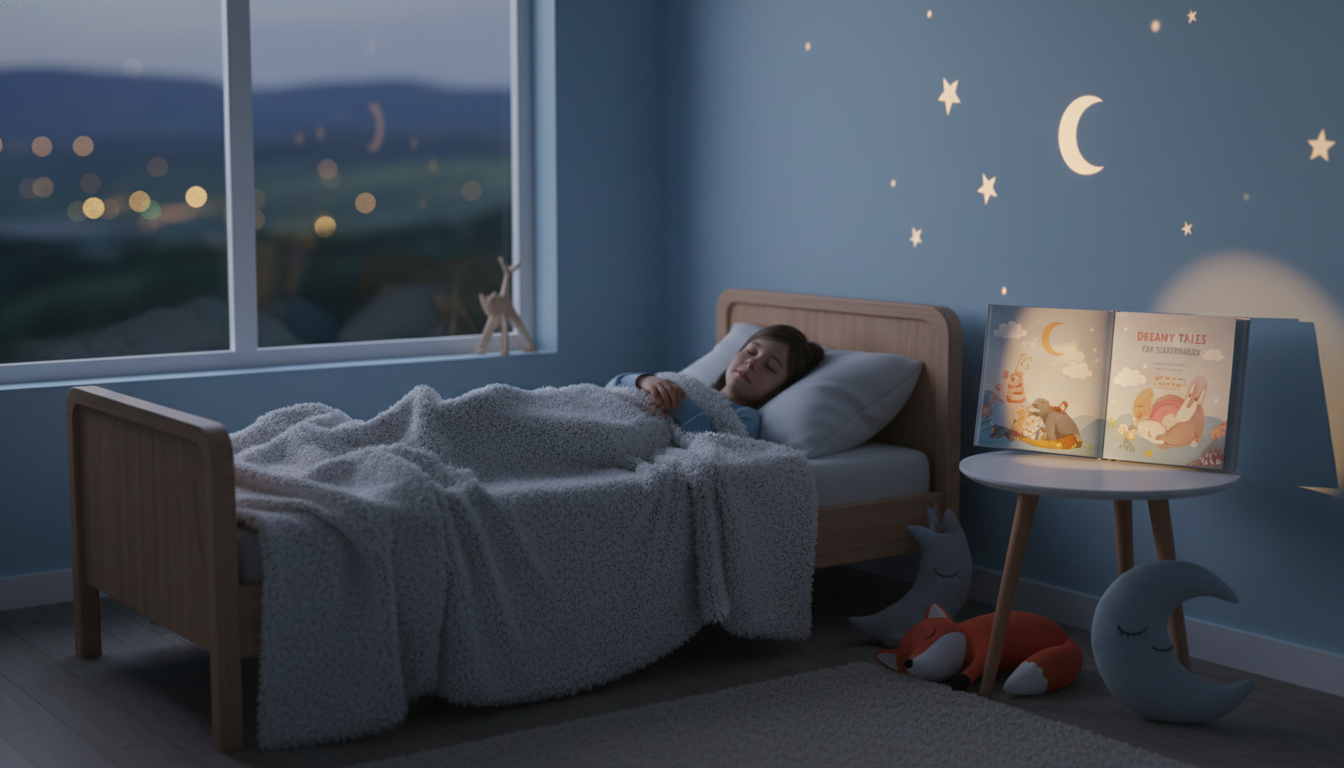
Every parent knows the struggle. The lights are out, teeth are brushed, and pajamas are on, yet the energy level in the bedroom remains sky-high. Bedtime battles are a common challenge in households around the world. In our fast-paced, screen-filled modern lives, children often have difficulty winding down, their minds buzzing with the events of the day. This is where meditation stories for kids sleep come into play—a powerful, gentle, and effective tool to help children transition from the chaos of the day to the tranquility of deep sleep.
Unlike traditional fairy tales which might contain exciting plot twists or scary villains, meditation stories are designed with a specific purpose: to relax the nervous system. By combining narrative elements with mindfulness techniques, these stories act as a bridge to dreamland. In this comprehensive guide, we will explore exactly what meditation stories are, the science behind why they work, how to create your own, and we will even provide soothing scripts you can read tonight.
What Are Meditation Stories for Kids?
At their core, meditation stories for kids sleep—often called guided imagery or sleep stories—are narratives that encourage relaxation. While a standard story focuses on character development and conflict resolution, a meditation story focuses on sensory details, breathing, and body awareness.
These stories usually follow a specific structure:
- The Wind-Down: The story begins by acknowledging the child in their bed, asking them to close their eyes, and guiding them through deep breathing exercises.
- The Journey: The narrative takes the child on a slow, peaceful journey to a safe place (a cloud, a garden, a beach).
- The Immersion: The story uses rich, calming sensory descriptions (the smell of lavender, the warmth of the sun) to ground the child in the moment.
- The Drift: The ending is often open-ended or fades out gently, allowing the child to slip into sleep without a jarring conclusion.
The Science: Why Meditation Helps Kids Sleep
You might wonder if this is just a trend, but there is significant science backing the use of mindfulness and meditation for sleep. Children, much like adults, operate under two main states of the nervous system: the sympathetic (fight or flight) and the parasympathetic (rest and digest).
When a child is overtired, anxious about school, or overstimulated by video games, their sympathetic nervous system is dominant. Their heart rate might be slightly elevated, and their muscles tense. Meditation stories for kids sleep are designed to activate the parasympathetic nervous system.
Reducing Cortisol Levels
Mindfulness practices help lower cortisol, the stress hormone. When a child listens to a soothing voice guiding them to visualize a peaceful scene, their brain signals to the body that they are safe. This hormonal shift is crucial for sleep onset.
Focusing the Monkey Mind
Children have active imaginations. Left unguided at night, their minds might race with worries or excitement. A meditation story provides a gentle anchor for their attention. Instead of worrying about a math test, they are focusing on the visualization of a floating leaf. This cognitive shifting breaks the cycle of rumination that often prevents sleep.
The Benefits of Guided Imagery and Sleep Stories
Implementing meditation stories into your nightly routine offers benefits that extend far beyond just falling asleep faster.
- Improved Sleep Quality: Children who fall asleep in a relaxed state often experience deeper, more restorative sleep compared to those who crash from exhaustion.
- Emotional Regulation: Regular engagement with mindfulness stories teaches children how to self-soothe. They learn that they have the power to calm their own bodies using their breath and mind.
- Enhanced Imagination: Guided imagery strengthens the brain’s visualization capabilities. This can boost creativity and problem-solving skills during waking hours.
- Parent-Child Bonding: Reading a meditation story requires a calm, quiet presence. It creates a bubble of intimacy and safety between the parent and child, reinforcing their emotional connection.
Top Elements of a Good Sleep Meditation Story
If you are looking for the perfect story or app, or trying to write one yourself, look for these key elements:
- Slow Pacing: The narration should be significantly slower than normal speech. Pauses are powerful.
- Repetition: Repeating phrases like calm and loose or safe and warm helps induce a trance-like state.
- Positive Affirmations: many sleep stories weave in phrases like I am loved, I am safe, or I am calm. These sink into the subconscious mind as the child drifts off.
- Sensory Anchoring: Descriptions should involve all five senses. Hearing the rustle of leaves or feeling the soft grass helps the visualization become real.
DIY: How to Create Your Own Meditation Story
You do not need to be a professional author to create a bedtime meditation. In fact, stories created by parents are often the most effective because you know exactly what makes your child feel safe. Here is a simple formula to follow:
- Start with Breath: Spend the first two minutes just asking your child to notice their breath. Breathe in through the nose, out through the mouth.
- Pick a Vehicle: How will they travel to the dream world? A magic carpet? A floating bubble? A friendly eagle?
- Pick a Destination: Choose a place your child loves. A secret treehouse, a sandy beach, or a cabin in the snow.
- Body Scan: Once they arrive at the destination, have them relax each part of their body, from toes to head.
- Fade Out: Slowly lower your voice until you are whispering, then stop speaking entirely.
3 Short Meditation Stories for Kids Sleep (Scripts)
Here are three scripts you can read to your child tonight. Remember to speak slowly, take deep breaths yourself, and leave long pauses between sentences.
Script 1: The Floating Cloud
Close your eyes and snuggle deep into your blankets. Imagine that your bed is getting softer and softer. It feels just like a fluffy white cloud. This cloud is here to hold you. It is warm, safe, and soft.
Take a deep breath in… and let it out. Feel the cloud gently lifting up. You are floating slowly into the blue sky. The air is fresh and cool. You are safe on your cloud. You watch the world below get smaller. You see the tops of green trees. You see the twinkling lights of the houses.
Your cloud floats gently, rocking back and forth. Rocking back and forth. Your legs feel heavy and relaxed. Your arms feel heavy and relaxed. You are floating toward the stars, ready to drift into a sweet, deep sleep. Goodnight.
Script 2: The Magic Garden
Let’s take a deep breath in through your nose, and blow it out like you are blowing out a candle. Now, imagine you are opening a little wooden gate. Inside the gate is your very own magic garden.
The grass here is the softest you have ever felt. It tickles your toes. The sun is setting, painting the sky in colors of purple and orange. You find a comfortable hammock swinging between two strong oak trees. You lie down in the hammock.
Listen to the sounds of the garden. You hear a little cricket chirping. You hear the wind in the leaves. Shhh, shhh goes the wind. You feel perfectly calm. The flowers are closing their petals for the night, and you are closing your eyes too. Safe in your garden. Relaxed and ready to sleep.
Script 3: The Sleepy Star
Imagine you are looking out a window at the night sky. One little star is shining just for you. This is the Sleepy Star. It sends a beam of warm, golden light down to you.
The light touches your toes, making them warm and sleepy. The light moves up to your knees. Your knees feel loose and lazy. The golden light moves to your tummy, warming you up. It moves to your shoulders, melting away any tightness. Finally, the light touches the top of your head.
Your whole body is glowing with warm, sleepy light. The Sleepy Star twinkles one last time, whispering goodnight. You are safe. You are loved. You are asleep.
Best Apps and Resources for Sleep Stories
If you are not comfortable reading the scripts yourself, or if you need a break, technology can be a helpful ally. However, be mindful of screen time. Ideally, play the audio with the screen off or the device placed face down across the room.
- Calm: This app has a specific Kids section with stories narrated by soothing voices, including celebrities.
- Headspace: Known for its mindfulness exercises, they have a library of sleep content specifically designed for different age groups.
- Moshi: An app entirely dedicated to sleep and mindfulness for children, featuring melodic stories.
- Insight Timer: A free app with thousands of user-generated guided meditations for children.
Tips for a Successful Bedtime Routine
Meditation stories for kids sleep work best when they are part of a consistent routine. If the environment is chaotic, a story alone might not be enough.
- Dim the Lights: Melatonin, the sleep hormone, is produced in darkness. Dim the lights an hour before bed.
- Consistent Schedule: Try to start the routine at the same time every night to set the body’s internal clock.
- Limit Sugar and Screens: Avoid high-sugar snacks and blue light from tablets at least an hour before sleep.
- The Snuggle Factor: Use the meditation time as cuddle time. Physical touch releases oxytocin, which further reduces stress.
Conclusion
Sleep is essential for a child’s growth, development, and happiness. Yet, in our busy world, switching off can be hard. Meditation stories for kids sleep offer a gentle, loving, and effective way to help our little ones navigate the transition from day to night. Whether you use an app or read a script in your own soothing voice, you are giving your child a lifelong tool for emotional regulation and relaxation. Tonight, try guiding them to a magic garden or a floating cloud, and watch as the bedtime battles melt away into peaceful dreams.
